We've been all over Italy multiple times, but this was our first visit to the Dolomites. The biggest challenge is deciding where to stay and what to do as there are nine groups of peaks, a vast number of gorgeous vistas, and scary, curvy hairpin roads in-between. We finalized a clockwise plan that would include the Seceda ridge, Tre Cime and our primary target--the Santnerpass Hut.
Days 1-3: Pera, Val di Fassa
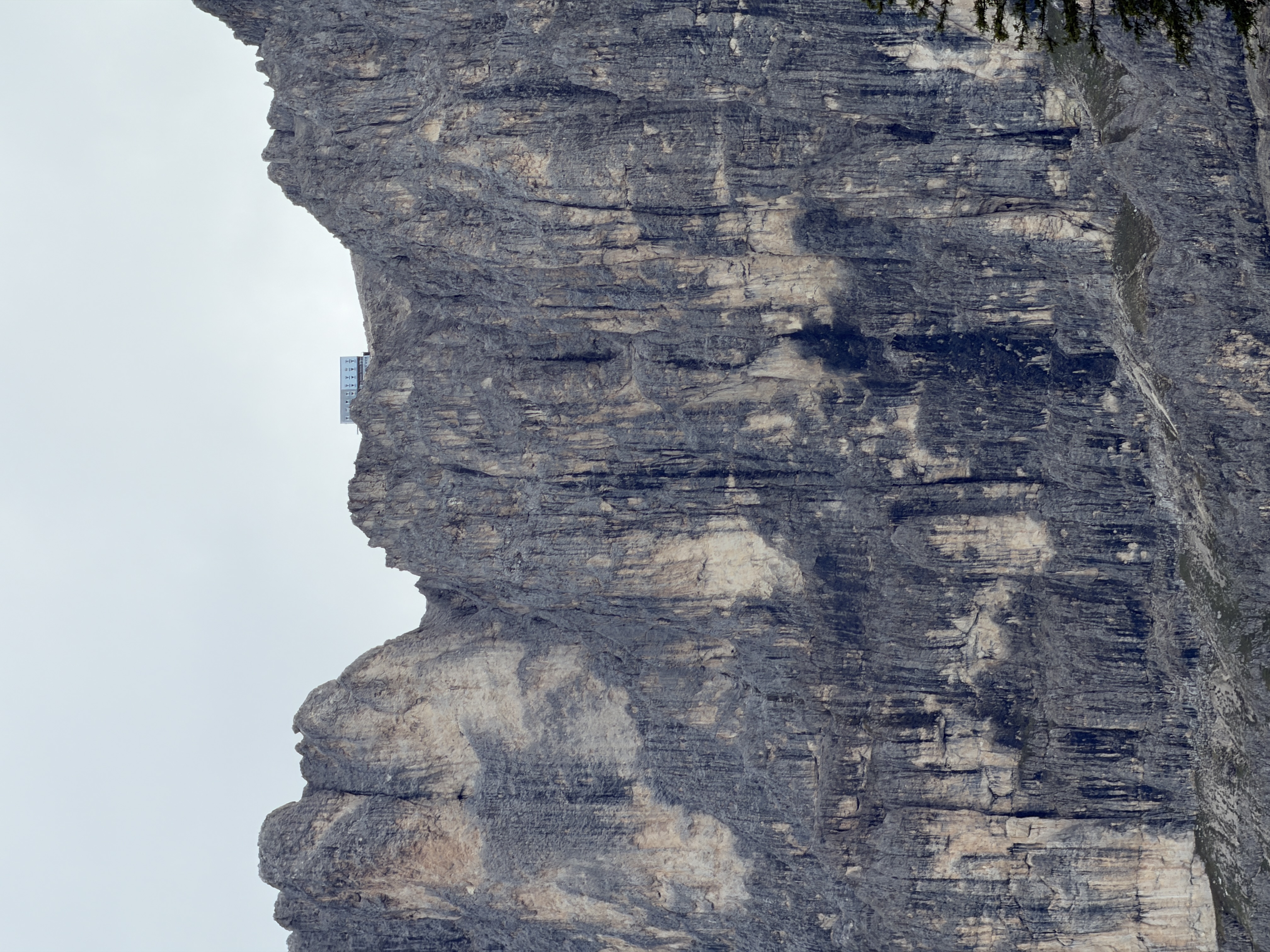
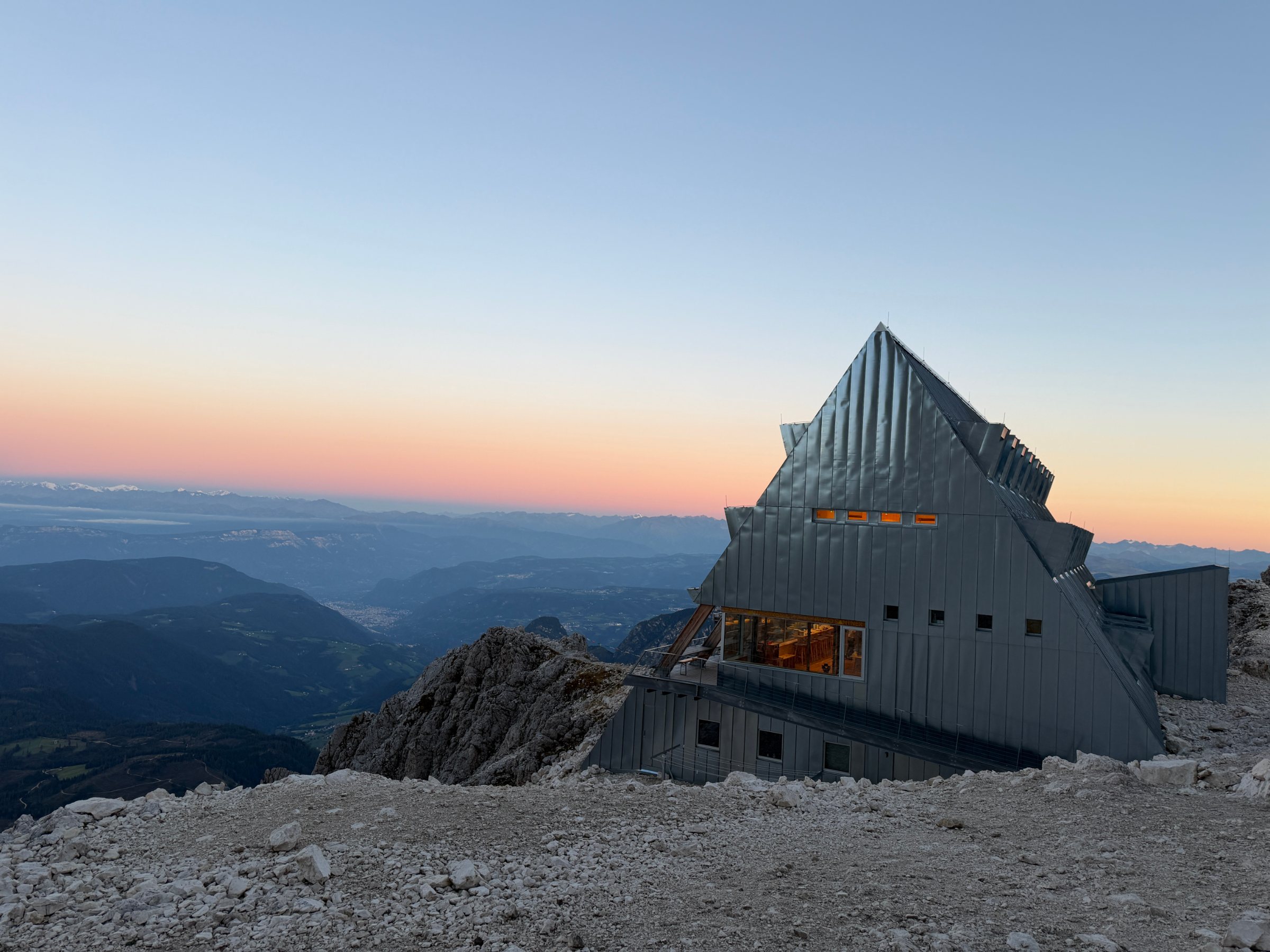
We started here as we had booked two via ferratas and two refugios in the Rosengarten range (also called Catinaccio). We are huge fans of via ferratas, where you are harnessed into iron cables embedded into the rock. It allows you to climb mountains without being a mountain climber. We chose this route because we came across images of the Santnerpass Hut, perched magnificently at nearly 9,000 feet, and simply decided: we must get there.
Well, the weather did not cooperate, so we cancel day one, which would have gotten us to the Fronza Refigio.
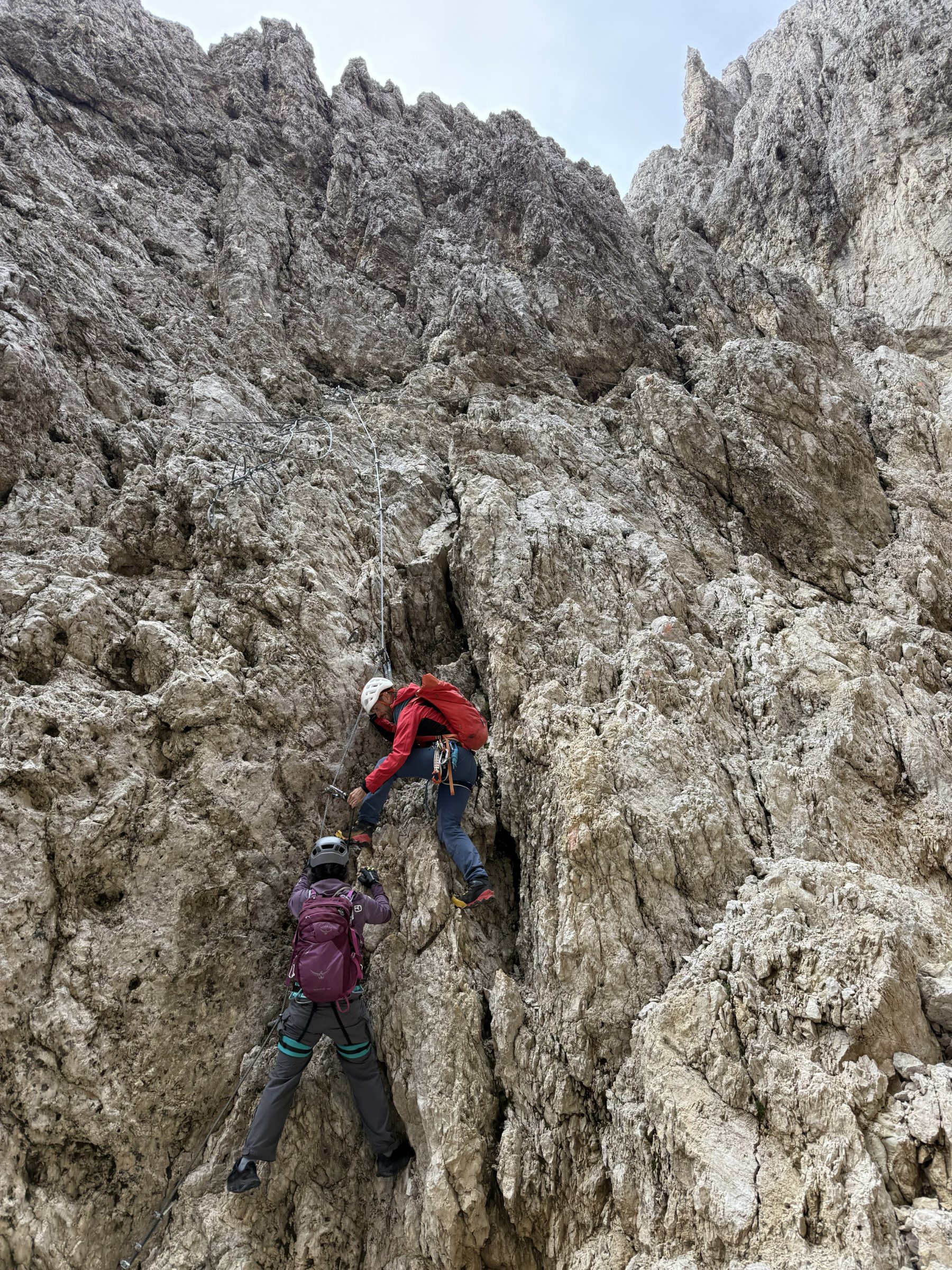
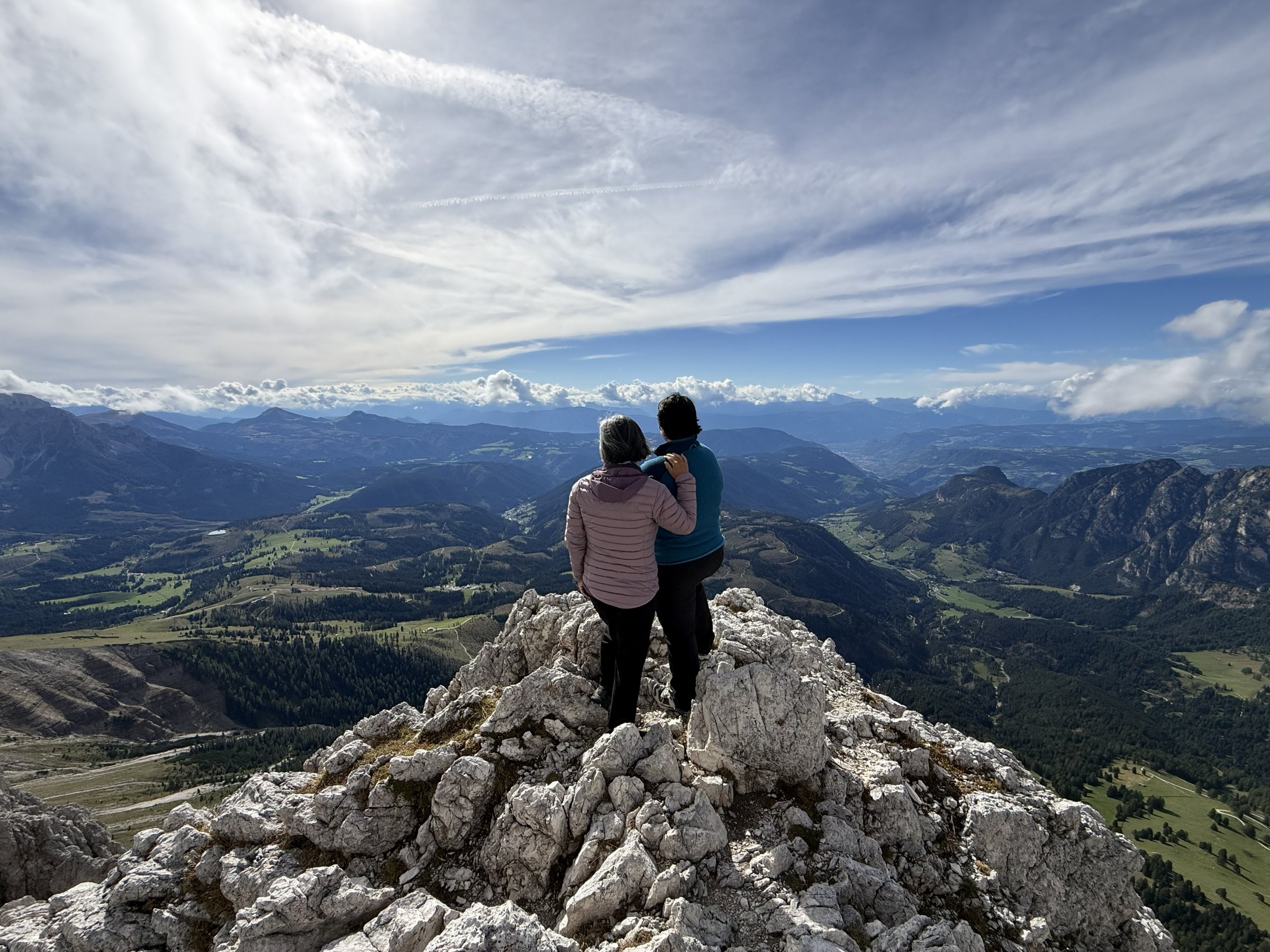
Day two, we drove out to the Frommer chairlift and went up to Fronza to begin our hike/via ferrata. We did not know it would be mostly hiking...straight up a sheer mountain wall...without being harnessed! Our fantastic guide Roberto Aussermiller had rope and helping hands as needed. It was a fun, grueling four hours straight up about 1,000 feet to get to Santnerpass Hut. It was so gratifying because you cannot get here without extreme effort.
Though foggy at first, the setting and the renovated lodge way exceeded our expectations (Real food! Heated rooms! Gorgeous sunset and sunrise!). This immediately became one of our all-time highlights.
The next morning, we learned that starting down the other way was nearly as difficult as coming up the via ferrata. For the first hour, passing by the impressive Vajolet towers, we faced steep, rocky, uneven terrain where a misstep would be catastrophic. It took us four hours to get to Rifugio Negritella for a well-deserved lunch, followed by the Vajolet chairlift back to Pera.
Need to know: You definitely want to hire a guide for a hike and via ferrata like this. They will provide the gear (helmet and harness), know the routes intimately, and have emergency capabilities.
Days 4-5: Ortisei, Val Gardena
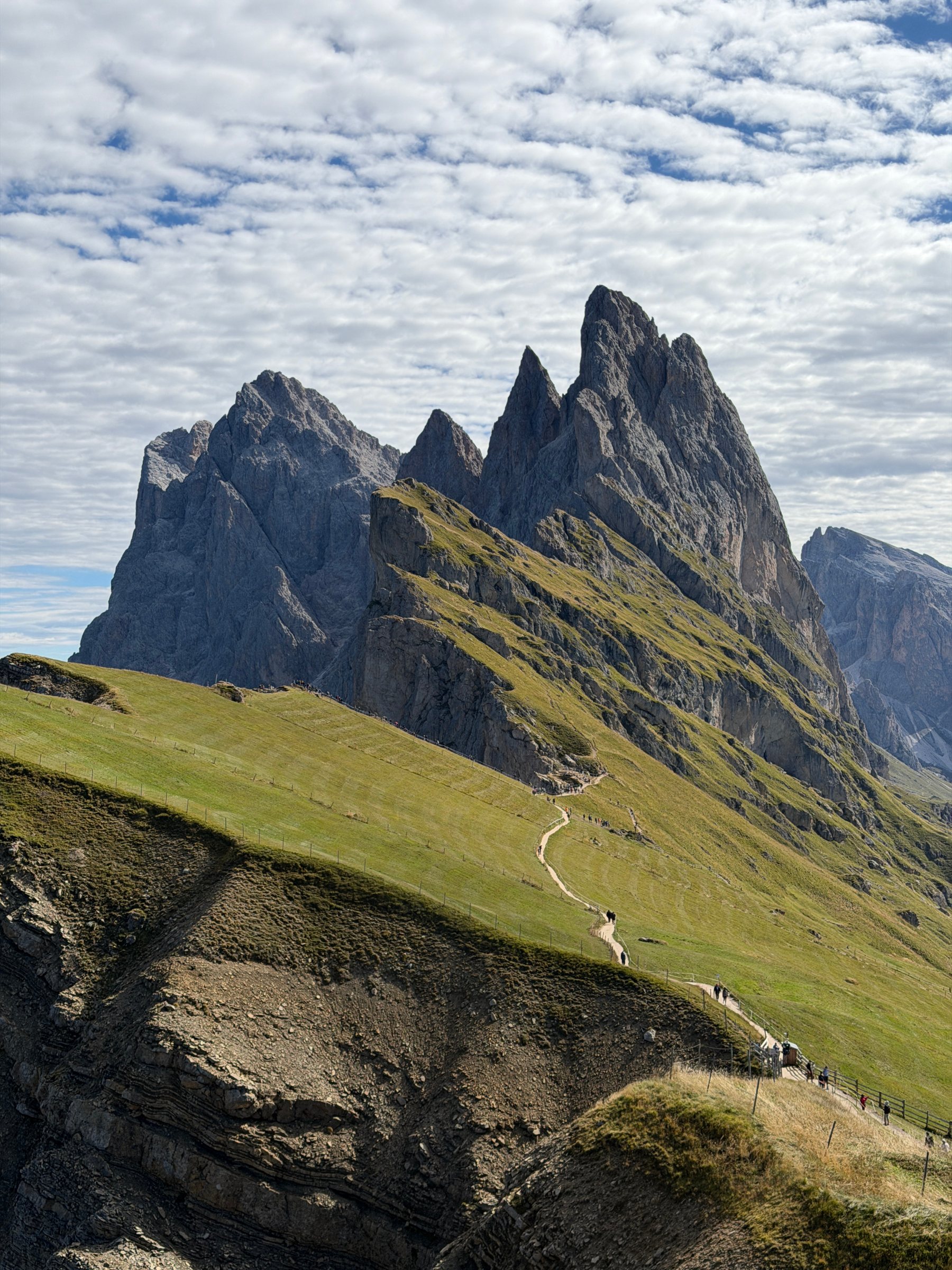
This is a charming town with two awesome cable cars: one up to the Seceda ridge, and one to Alpe di Siusi, dubbed Europe's largest high-altitude meadow. You can do both in one day unless you plan on serious hiking. For those less active, you can get wonderful views just riding the cable cars to the top.
Need to know: The popular Seceda cable car (which is actually a cable car then a large gondola) sells timed tickets online. You have about a half hour grace period to use that bar code. We booked at 9 and got there at 9:30. There were long lines to get tickets and even longer lines waiting on the gondola...which will be jammed packed. (By comparison, there is no problem getting onto the Alpe Siusi cable car.) If you go onto the peak of Seceda, you will have to pay a few Euros to get through the final pathways...surprising since you've already paid a bundle for the cable car.
Tip: Stay at the luscious Gardenia Grodnerhof and enjoy great spa options, afternoon snacks and wonderful service.
Days 6-7: Forestes and Corvara in Alta Badia
We did the Adolph Munkel trail en route to our next stop. Compared to what we had already seen, we felt the payoff wasn't worth the three hours of hiking. We ran out of time to do more in the region.
We stayed one night at famed Forestes, then one night at La Perla in Corvara. Forestes prides itself on simplicity and wellness, offering spacious, minimalistic suites in its three towers. La Perla is an old-world, family-run lodge boasting warm service and beautiful views in the village of Corvara. We enjoyed taking a respite from our adventures and mostly relaxing.
Need to know: If you can land an upper floor suite at Forestes, you will be truly towering with nature, eye level with breathtaking mountains. La Perla is most popular during the winter season as an all-inclusive ski-in and ski-out in the heart of a vast network of chair lifts and ski runs.
Day 8: Tre Cime and Cortina
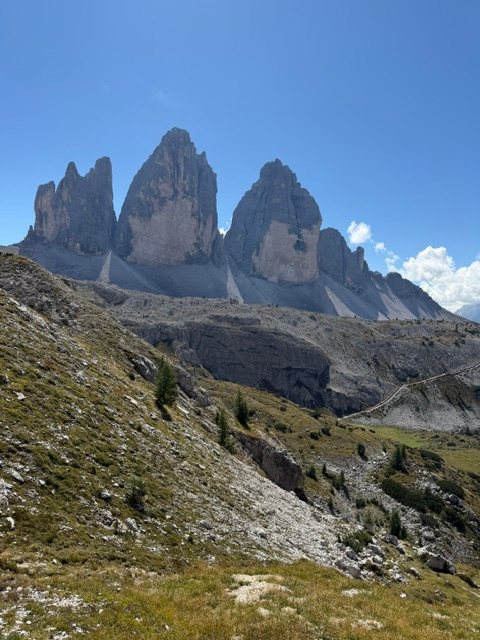
Our final day in the Dolomites was tackling Tre Cime..along with hundreds of other tourists. This was the most crowded experience of our trip because everyone is on the same fairly narrow path throughout.
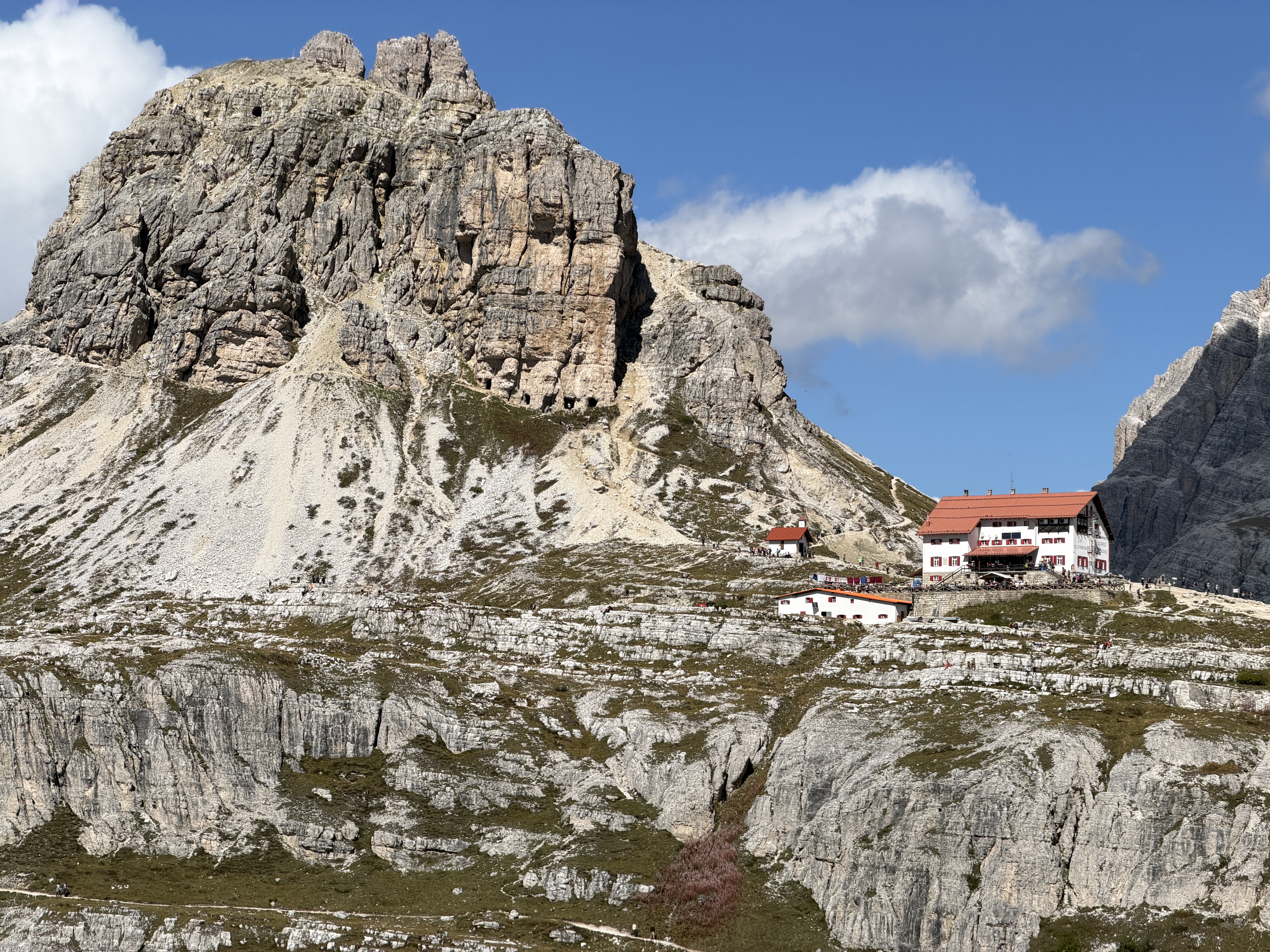
The popular loop around the three sharp peaks is about 6.2 miles and takes 3-4 hours. I did it in 4 hours 15 minutes with a lot of fits and starts, including: Should I keep going or turn back? (If you know me you know there's only one answer.) Do I really want to all the way down to the Rienzboden valley knowing I have to then climb back up? (No, but I did.) Is it worth actually going to the door of Rifugio Locatelli for the views? (No.)
I'm glad I did it but I think you can be satisfied with Tre Cime with about an hour's hiking, then returning back.
Need to know: Prebook parking for $40 Euros for Tre Cime to avoid either a very, very long hike up or waiting in lines for the buses. You just update your booking with your rental car license plate once you have it, then drive through the gate as it's automated. You're good to park for up to 12 hours from the time you chose and can arrive anytime.
BIG TIP: In my opinion, you are way better off doing the Tre Cime loop clockwise. That long slog out of the valley was nasty.
FINAL TIPS:
The Dolomites are extensive! Decide which key areas/highlights intrigue you the most--then plan to return as you won't get to everything you want. The three central bases are Cortina (host city for the 2026 winter Olympics), Ortisei (Val Gardena), and Corvara (Alta Badia). Depending on where you're traveling from, give yourself time to acclimate as you'll quickly be at 4,000 feet elevation and up.
You will be confused by many names: that's because most sites have an Italian name and a German one. Ortesei, for example, is also called St. Ulrich. There is usually no correlation between the two names.
How to get hereFrom Venice, Cortina is an easy two-hour drive while Bolzano is a 3-hour direct train ride.
While you can get around using buses (patiently), a rental car will give you far more flexibility. Beware of the narrow, winding, steep roads, often with buses or bikers or construction around every bend. And don't forget to get your international driver's permit.
Comments
Be the first to comment.
Leave a comment